The Circular Economy
The circular economy is an economic model that keeps resources in use for as long as possible through reuse, repair, refurbishment, and recycling, rather than the traditional “take make dispose” system.
How it helps communities in Coventry
Lower-cost access to essential goods: Refurbished bikes, tools, appliances e.g. laptops, and clothing reducing financial barriers for people on low incomes.
Skills and employability: Repair and refurbishment activities create hands-on learning opportunities
Community resilience: Circular projects operate locally, strengthening neighbourhood networks and providing volunteering pathways.
Environmental: Reduces landfill
CWCDA is uniquely placed to lead on circular economy projects due to our:
- Strong convening power across social enterprises, local authorities, and grassroots groups.
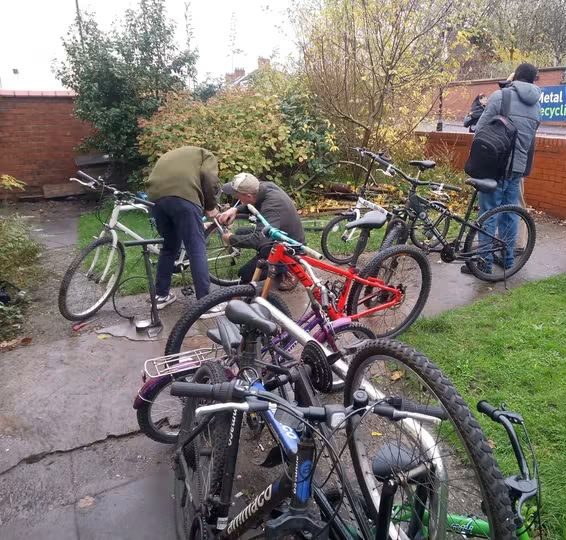
- Proven track record of identifying unmet needs and building practical, community-led solutions - as demonstrated by the Coventry Bike Project.
- Deep understanding of deprived neighbourhood , delivering many community projects with the involvement of local communities
CWCDA is leading on developing the circular economy in Coventry
Current projects include the following:
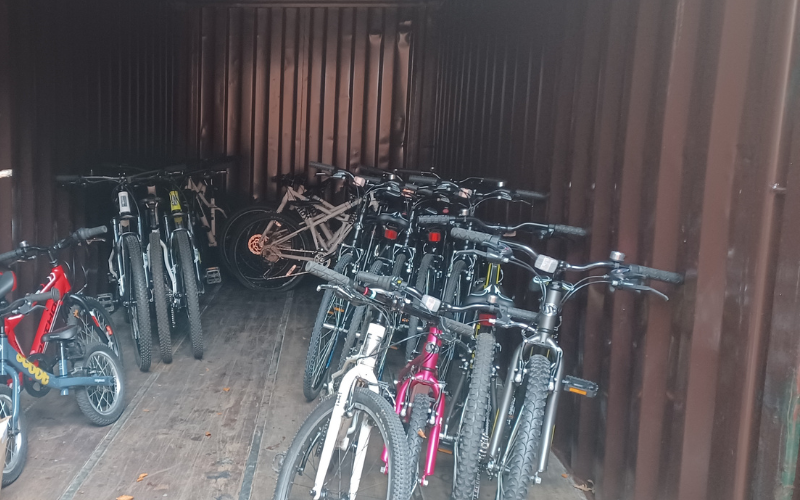
- Coventry Bike Project: Support the Coventry Bike project to develop into a sustainable social enterprise.
- Expand community repair & reuse hubs: CWCDA is replicating the Coventry Bike Project model for other goods: furniture, IT equipment, small appliances, children’s items and is currently working on a Coventry Multibank.
- CWCDA hopes to develop a formal network in Coventry: to strengthen collaboration and reduce duplication that will include:
• Local Authority waste teams
• Social enterprises
• Repair cafés
• Bike, IT, and furniture refurbishment
• Universities and anchor organisations
- Landed rooted kitchen project: A rooted kitchen is generally a community-focused food project that aims to make healthy, affordable and sustainable food accessible to local people. CWCDA is working with groups in Coventry and Warwickshire to set up a rooted kitchen in both areas.
CWCDA’s role in founding the Coventry Bike Project
CWCDA played a central convening and leadership role in establishing the Coventry Bike Project. Evidence from recent cluster work shows:
This is circular economy practice in action: extending product life, reducing waste, and supporting disadvantaged communities with affordable mobility.